
Business Development Strategies From the Floor: How a Family Brand Scaled With Heart, Shows, and Smart Follow-Up

Business development strategies work best when they’re more than tactics—they’re habits, rhythms, and ways of showing up. In today’s post, Dan Bigger shares the playbook behind Glimmer Glass Gifts, a family-run wholesaler of greeting cards with keepsake glass sun catchers. Their journey, from job loss to thriving vendor at the Atlanta Market, the Museum Store Association, and more, offers business development strategies any maker, wholesaler, or boutique brand can apply right now.
The Origin Story: A Pivot That Became a Growth Engine
Glimmer Glass Gifts started in 2004 as laser-etched glass jewelry. When COVID shut wholesale doors in 2020, Julie (the founder and creative) pivoted to greeting cards with a removable glass gift—turning a throw-away item into a keepsake. In 2023, Dan joined full-time after a tough stretch in the job market. He brought structure—CRM, email, follow-up—and a tireless networker’s mindset. At their first Atlanta show together, they landed 30–40 new accounts and never looked back.
Key outcomes since embracing intentional business development strategies:
-
80–100 new wholesale customers per year
-
Expansion into museum stores (Corning Museum of Glass), theme parks (Dollywood jewelry), and category shows (Wild Birds Unlimited)
-
Custom programs (regional trees, logos, sayings) that turn browsers into buyers and buyers into evangelists
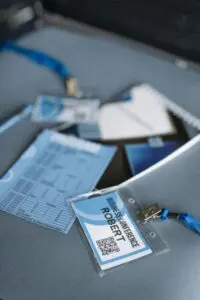
Strategy #1: Trade Shows Are Back—Prepare Like a Pro
For Glimmer, shows are the #1 acquisition channel. Pictures help, but the product in hand closes. Here’s their three-phase show playbook you can copy:
Before the show
-
Warm the list: Send a Constant Contact blast to 400–500 recent buyers and prospects with booth #, new SKUs, and show-only incentives.
-
Prime social: Post daily “countdown” behind-the-scenes—packing, new designs, booth map. Tag the venue and nearby exhibitors to ride the algorithm lift.
During the show
-
Make it easy to say yes: Bundle best-sellers, pre-write opening orders at common price points, and keep reorder cards handy.
-
Capture context: Note what each buyer loved (e.g., “Willow tree + moon, no cats”), promised ship windows, and custom requests.
-
Network sideways: Relationships with neighboring booths turn into category intros (think Hallmark store buyers and museum store managers).
After the show
-
72-hour follow-up: Handwritten thank-you for large orders; personal email with thumbnails for everyone else. Include an easy “Reorder in 2 clicks” link.
-
Micro-commitment: Offer a quick “10-minute line review” via Zoom to set up seasonal replenishment before they run out.
This show cadence is one of the simplest business development strategies to install and one of the highest ROI.
Strategy #2: Social That Sells Without “Selling”
Dan’s rule: don’t pitch every day—tell the story every day. What works:
-
Make process visible: Fusing glass. Cutting cards. Assembling keepsakes. People buy the why and the work.
-
Invite participation: Weekly “Tuesday Trivia” giveaways keep engagement high, lower CPA, and grow remarketing audiences.
-
Comment like a superfan: Glimmer actively comments on customers’ posts (garden centers, arboretums, boutiques). That generosity keeps the brand top-of-mind far better than cold email alone.
If you struggle with social, adopt this business development strategies rule of thumb: create 1 post, leave 10 thoughtful comments, send 3 genuine DMs every business day. It compounds.
Strategy #3: Personalization at Scale (Without Breaking Ops)
Glimmer’s catalog looks huge (50+ core cards, hundreds of variations), yet production stays sane because they pre-build modular components:
-
Julie produces sun catcher motifs (trees, moons, turtles, owls).
-
Dan stages card bases and sayings.
-
Orders are assembled “just-in-time” from bins—so each card feels one-of-a-kind without custom-job chaos.
This is quiet genius. It’s also one of the most overlooked business development strategies: design your offer so customization delights customers and fits your throughput.
Strategy #4: Family Business Rules That Prevent Drama
Working with your spouse? Borrow Dan’s two guardrails:
-
One captain: The founder (Julie) has final say on creative and brand.
-
Clear lanes: Production = Julie. Sales/CRM/follow-up = Dan. No second-guessing mid-stream.
Healthy boundaries are growth levers. They speed decisions, preserve energy, and keep the marriage strong, arguably the most valuable “asset” in the business.
Strategy #5: Customer Acquisition Flywheel
Here’s the repeatable flywheel Glimmer uses, map it to your world:
-
Discover: Trade shows + social mentions
-
Sample: Hand-feel product at shows or via a small intro pack
-
Order: Pre-bundled assortments reduce choice overload
-
Delight: Unique keepsake cards drive sell-through and word-of-mouth
-
Reorder: CRM-driven nudges when stock is low; seasonal prompts (Christmas planning starts in October/November)
-
Expand: Custom local designs (regional trees, museum logos) → higher margin, stickier accounts
Each stage includes a simple metric (contacts collected, sample conversions, average first order, days-to-reorder). Review weekly. Improve one step at a time. That’s business development strategies in action.
Quick-Start Checklist (Steal This)
-
Book 2 anchor shows per year; add 1 category show (e.g., museum stores)
-
Build a 400–500 buyer/prospect list; send pre-show and post-show campaigns
-
Create three show bundles: “Starter,” “Seasonal,” “Local Custom”
-
Document a 10-touch follow-up sequence for 30 days post-show
-
Post daily BTS; run one weekly interactive social feature
-
Track six flywheel metrics; review every Friday
Follow this for 90 days and you’ll feel momentum, because these business development strategies meet buyers where they actually make decisions: in-person, in-feed, and in the follow-up.
Final Word
Glimmer’s growth isn’t magic; it’s consistency. Show up. Be human. Make it easy to buy. And keep promises with proactive follow-up. If you want to stop being the “best-kept secret,” adopt these business development strategies and make them your weekly operating system.
Resources
Lastly, thank you for taking the time to read this post.
If you found this information valuable, check out some of our other blogs.
You might want to read these blog posts:
Creating a Robust Referral Network with Your Soulmate 100
SEO Strategies for Manufacturers: Out-teach the Competition
How Manufacturers Can Use Subject Matter Interviews to Dominate SEO
To learn more about SEO for Manufacturers, check out SEO for Manufacturers: Foundations, Strategy & Implementation.
B2Btail – Helping Awesome Companies with Digital Sales Growth Solutions
Get Your FREE SEO Report
You Have Only One Chance to Make An Outstanding First Webpression https://b2btail.com/webpression/
Stop Being the Best Kept Secret: Manufacturing eCommerce Strategies
Follow B2Btail on YouTube, Reddit, and LinkedIn.
Curt on LinkedIn
Exit Your Way– Helping owners create businesses that make more money today and they can sell or succeed when they want.
Damon on LinkedIn
Check out the Stop Being the Best Kept Secret Show live on Mondays and Fridays at 12:32 PM EST // 9:32 AM PST.